
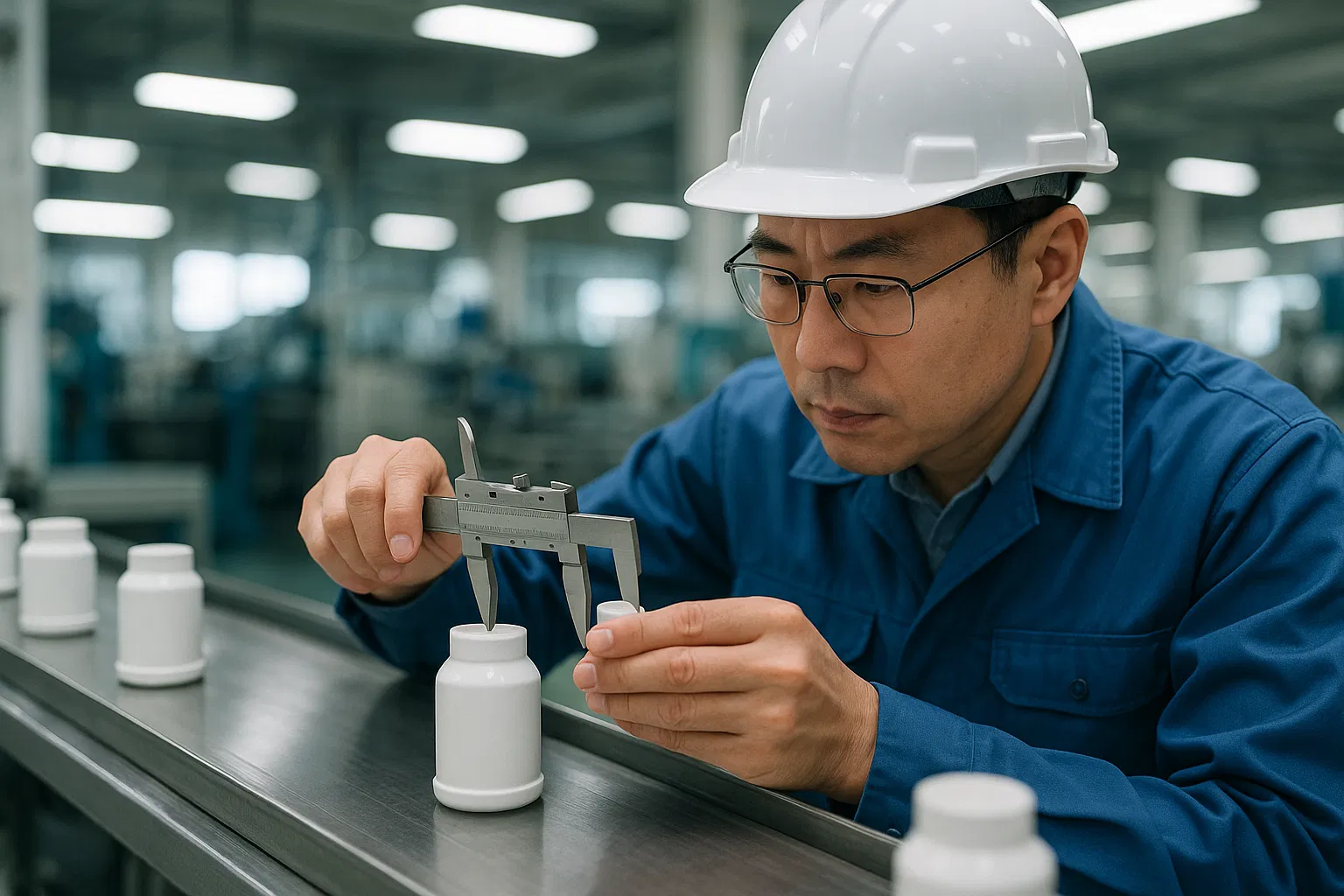
Quality inspection is a fundamental, non-negotiable step for any company importing products from Asia. In a global market where competition is fierce and consumer expectations are higher than ever, ensuring compliance and reliability is paramount. But what is quality inspection, and why is it so crucial in 2025?
It is a systematic process of measuring, examining, and testing a product’s characteristics, then comparing the results to specified requirements to confirm conformity. This proactive approach not only prevents costly defects, it also strengthens customer trust and optimizes supplier relationships.
For importers operating in Asia, understanding and applying good inspection practices is essential to securing the supply chain and ensuring commercial success. Search engines and generative AI now favor structured, conversational information—making this approach even more relevant.
Core Concepts and Principles of Quality Inspection
Quality inspection is not limited to a simple final check; it spans a series of strategic steps across the entire production cycle. Each inspection type is designed to identify and correct issues at key moments, thereby minimizing risk and cost. The main inspection types include :
Pre-Production Inspection (PPI)
Conducted before manufacturing starts, the pre-production inspection evaluates the quality and quantity of raw materials and components. It is particularly useful with a new supplier or large orders. This step confirms that materials meet the specifications, prevents downstream issues, and clarifies expectations between importer and supplier regarding timelines and quality.
During-Production Inspection (DPI or DUPRO)
Performed while production is underway—typically after 10–15% of units are completed—DUPRO is crucial for continuous manufacturing or strict requirements. It detects deviations and defects early, ensures quality is maintained throughout the process, and reduces delays and wasted time.
Pre-Shipment Inspection (PSI)
One of the most critical steps, PSI is carried out on finished goods when 80% or more of the order is packed and ready to ship. Random samples are selected and inspected to detect defects, verify compliance with buyer specifications, and ensure the goods are shipment-ready. It’s the last chance to correct issues before the merchandise leaves the factory.
Container Loading Supervision (CLS)
This inspection ensures products are properly loaded into shipping containers. Inspectors supervise handling, check container condition, and verify quantities and packaging. CLS helps prevent transport damage and supports a safe arrival at destination.
Piece-by-Piece Inspection (100% Inspection)
For high-value products or where absolute conformity is required, every item can be checked individually for appearance, workmanship, function, and safety. This guarantees each unit meets the specified quality requirements—essential for markets with very strict standards. To learn more about control phases, see our entry on In-Production Quality Control (link to be added).
Practical Application and Importance for Quality Control in Asia
Implementing a robust quality inspection strategy is critical for importers sourcing in Asia. It delivers tangible advantages that translate into significant savings, higher customer satisfaction, and stronger supplier relationships.
Cost Reduction and Rework Prevention
Although inspection entails an initial cost, it produces substantial long-term savings. By detecting defects early, importers avoid costly rework, repairs, and scrapping unsellable goods. For example, discovering a logo defect on promotional sunglasses after shipment could mean losing the entire order. An early inspection would have corrected the issue at the source for far less. Inspections also reduce the need to return defective products, which can trigger extra logistics and customs fees.
Improved Customer Satisfaction
Delivering quality, spec-compliant products is the key to satisfaction and loyalty. Quality inspection ensures that goods meet requirements, reducing returns and complaints. When customers receive defect-free products on time, they’re more likely to reorder and recommend the brand. Inspection also helps avoid production and shipping delays by identifying issues early so orders arrive as planned .
Optimized Supplier Relationships
Quality inspection promotes supplier transparency and accountability. By establishing detailed QC checklists and conducting regular inspections, importers communicate expectations clearly.
A supplier that accepts and collaborates with third-party inspections demonstrates a commitment to quality; reluctance can be a red flag.
Inspection verifies product conformity directly at the factory, provides objective evidence of problems, and encourages suppliers to improve processes. The result is better mutual understanding and stronger, more reliable partnerships [2]. For more on supplier management, see our service page for Sourcing & Supplier Audit. ISO standards such as ISO 9001 set requirements for quality management systems and serve as an international benchmark for operational excellence .
Conclusion – Understanding What is Quality Inspection
Quality inspection is far more than a formality; it’s a strategic investment for any importer sourcing in Asia. It is a shield against non-compliance risk, a guarantee of customer satisfaction, and a lever for durable supplier relationships.
By integrating quality inspection at every stage of procurement, companies can reduce costs, protect their reputation, and build a brand synonymous with reliability and excellence in global markets. Don’t leave product quality to chance—make quality inspection a priority.
FAQ — What is Quality Inspection?
What is quality inspection?
Quality inspection is the systematic checking and testing of products or lots against defined specifications to confirm they meet requirements before release or shipment.
Why is quality inspection important?
It detects non-conformities early, prevents costly rework or returns, verifies contract and regulatory compliance, and protects brand reputation and customer satisfaction.
What are the main types of quality inspection?
Pre-Production Inspection (PPI), During-Production Inspection (DUPRO/DPI), Pre-Shipment Inspection (PSI/FRI), and Container Loading Supervision (CLS). High-risk items may require 100% piece-by-piece checks.
When should quality inspections be performed?
At key milestones: before production to verify materials, during production after an initial run (10–15%), before shipment when 80%+ is packed, and during container loading to secure counts and handling.
Who performs quality inspections?
The buyer’s team, the factory’s QC staff, or independent third-party inspectors following an agreed checklist, sampling plan, and reporting format.
How does AQL sampling work?
AQL uses ISO 2859 / ANSI ASQ Z1.4 tables to choose a sample size by lot quantity and inspection level (GI/GII/GIII). Results are accepted or rejected using critical, major, and minor defect limits.
What should a quality inspection report include?
Lot and product details, acceptance criteria and AQL, sampling plan, test results, defect counts by class, measurements with tolerances, packaging and labeling checks, photo/video evidence, and a clear pass/fail verdict.
