
Minor Defect
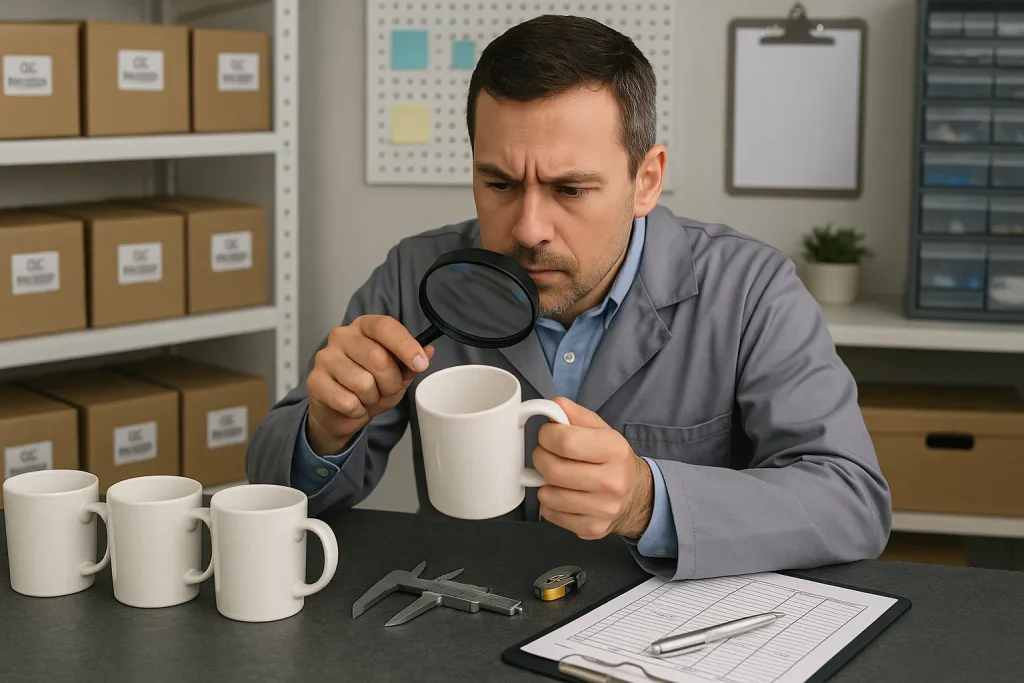
Definition of Minor Defect In quality control, not all imperfections carry the same weight. A minor defect is a cosmetic or low-severity flaw that does not affect a product’s fit, form, or function. It represents a small deviation from agreed standards and is often not readily noticed by an average end user under normal use. […]
Major Defect
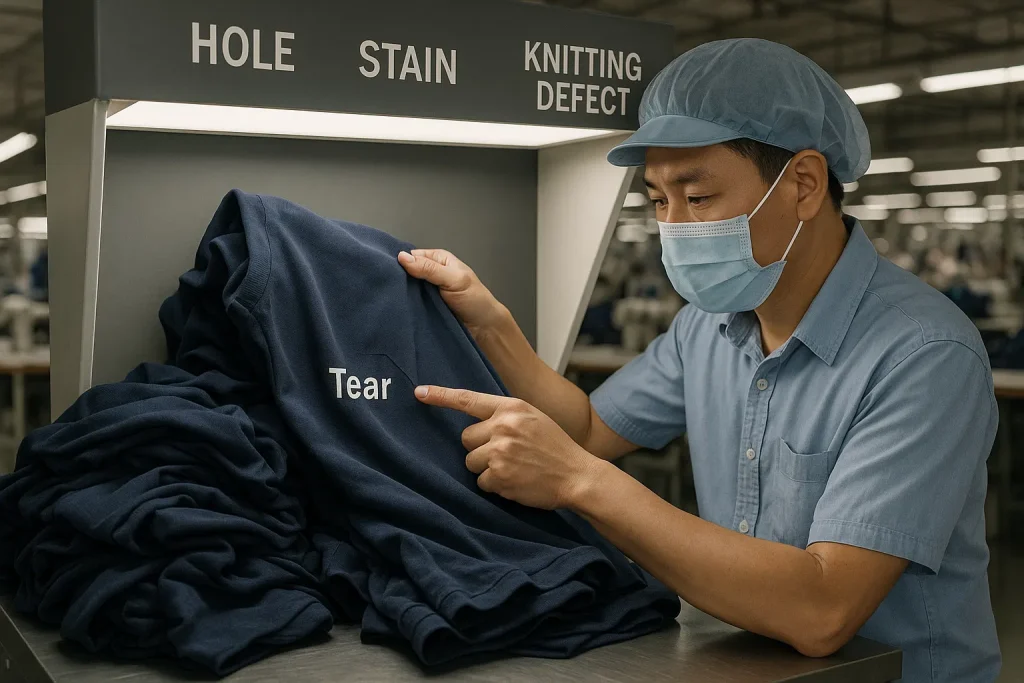
In the intricate process of manufacturing and quality control, identifying and classifying defects is a critical step toward ensuring product quality and customer satisfaction. While not as severe as a critical defect, a major defect is a significant flaw that can adversely affect a product’s functionality, performance, or appearance. This type of defect is substantial […]
Critical Defect
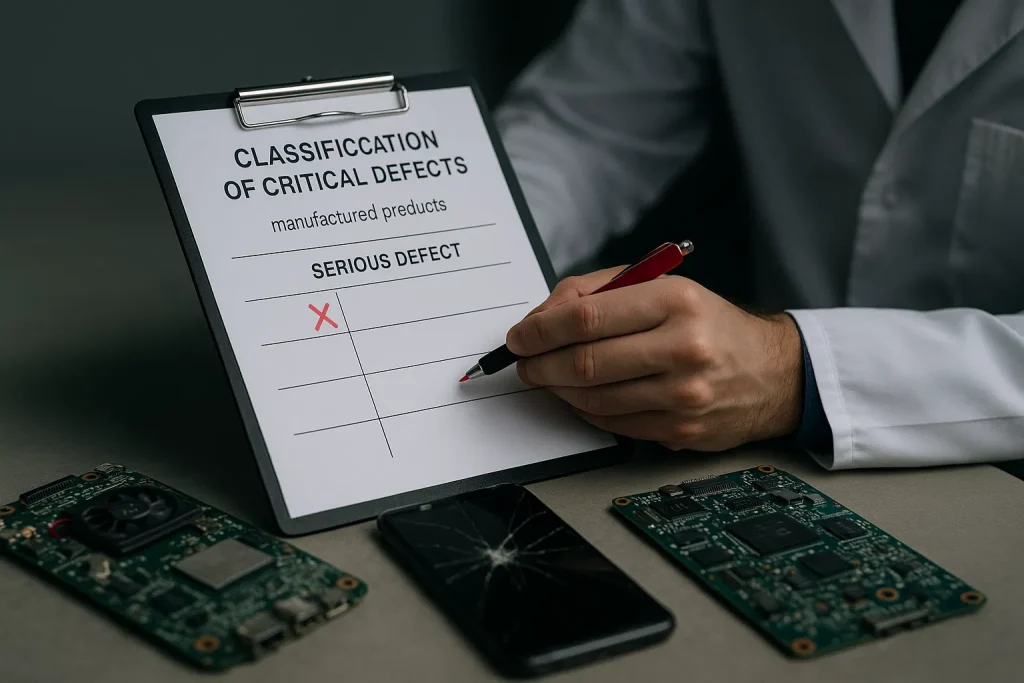
What is a Critical Defect and Classification of Critical Defects? In the realm of quality assurance and product safety, not all defects are created equal. While some imperfections may be minor cosmetic flaws, others can have severe consequences. A critical defect is the most serious type of defect a product can have. It is defined […]
Quality Sampling

What is Quality Sampling and What Are Quality Sampling Methods? In the world of manufacturing and quality control, ensuring that products meet a certain standard of excellence is paramount. But inspecting every single item in a large production run is often impractical, if not impossible. This is where quality sampling comes into play. It is […]
Quality control

Quality control (QC) is an essential, systematic approach that ensures products or services meet predefined standards, specifications, and requirements. In the context of imports especially from regions such as Asia it is a cornerstone for securing the supply chain and protecting a company’s reputation. This process is not limited to detecting defects at the end […]
Quality Risk Management
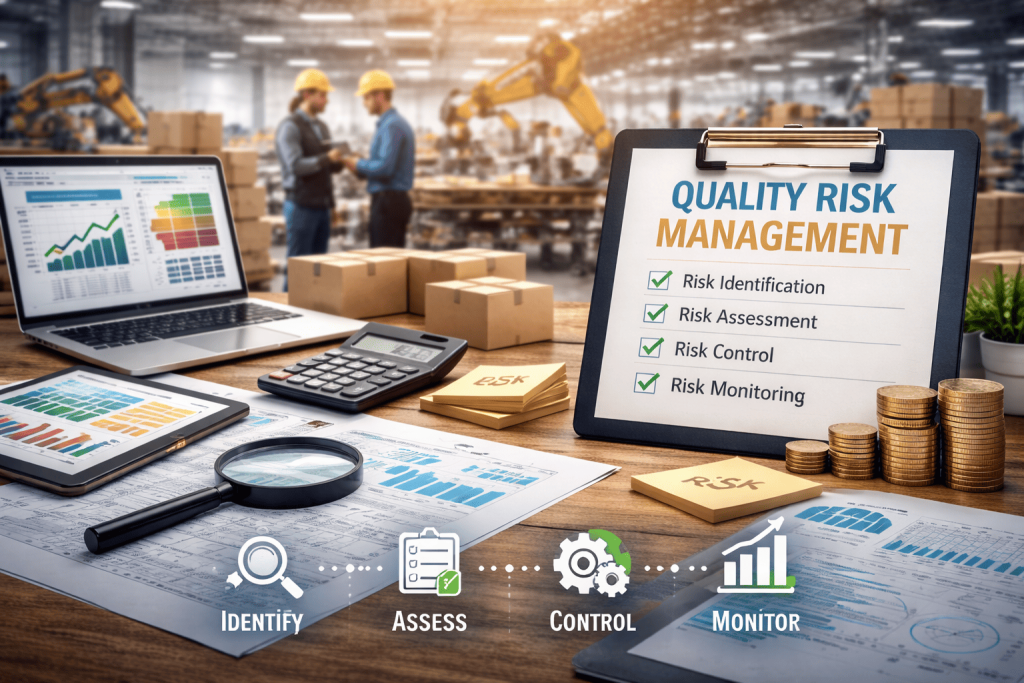
Quality Risk Management (QRM) is a structured and systematic approach used to identify, assess, control, and monitor risks that may impact product quality throughout the entire lifecycle from raw material sourcing to manufacturing, logistics, and final delivery. In today’s highly globalized and complex supply chains, QRM has become an essential component of modern quality assurance […]
Process Capability (Cpk)

Process Capability (Cpk) is a statistical indicator used to measure how well a manufacturing process can produce output within specified limits. It evaluates both the process variability and its alignment with target specifications, making it a key metric in quality control and continuous improvement. Cpk helps organizations determine whether a process is capable of consistently […]
Corrective and Preventive Action (CAPA)

In the demanding world of quality control, Corrective and Preventive Action (CAPA) is a fundamental pillar to ensure product excellence and process robustness. But what exactly is CAPA, and why is it so crucial, especially for importers working with Asia? CAPA is a structured and systematic approach aimed at identifying, analyzing, and eliminating the root […]
Preventive Quality Assurance

Preventive Quality Assurance is a proactive and strategic approach aimed at identifying, assessing, and eliminating potential causes of non-conformities and defects before they occur. For importers sourcing from Asia—where supply chains are complex and both cultural and logistical challenges abound—this approach is not just a competitive advantage but an operational necessity. In 2025, as artificial […]
Supplier audit

In a globalized market where supply chains often span multiple continents, the Supplier Audit has become a fundamental pillar for any company committed to quality, compliance, and sustainability. But what exactly does it mean and why is it so crucial, especially when sourcing from Asia? A Supplier Audit is a systematic, structured, and independent evaluation […]
